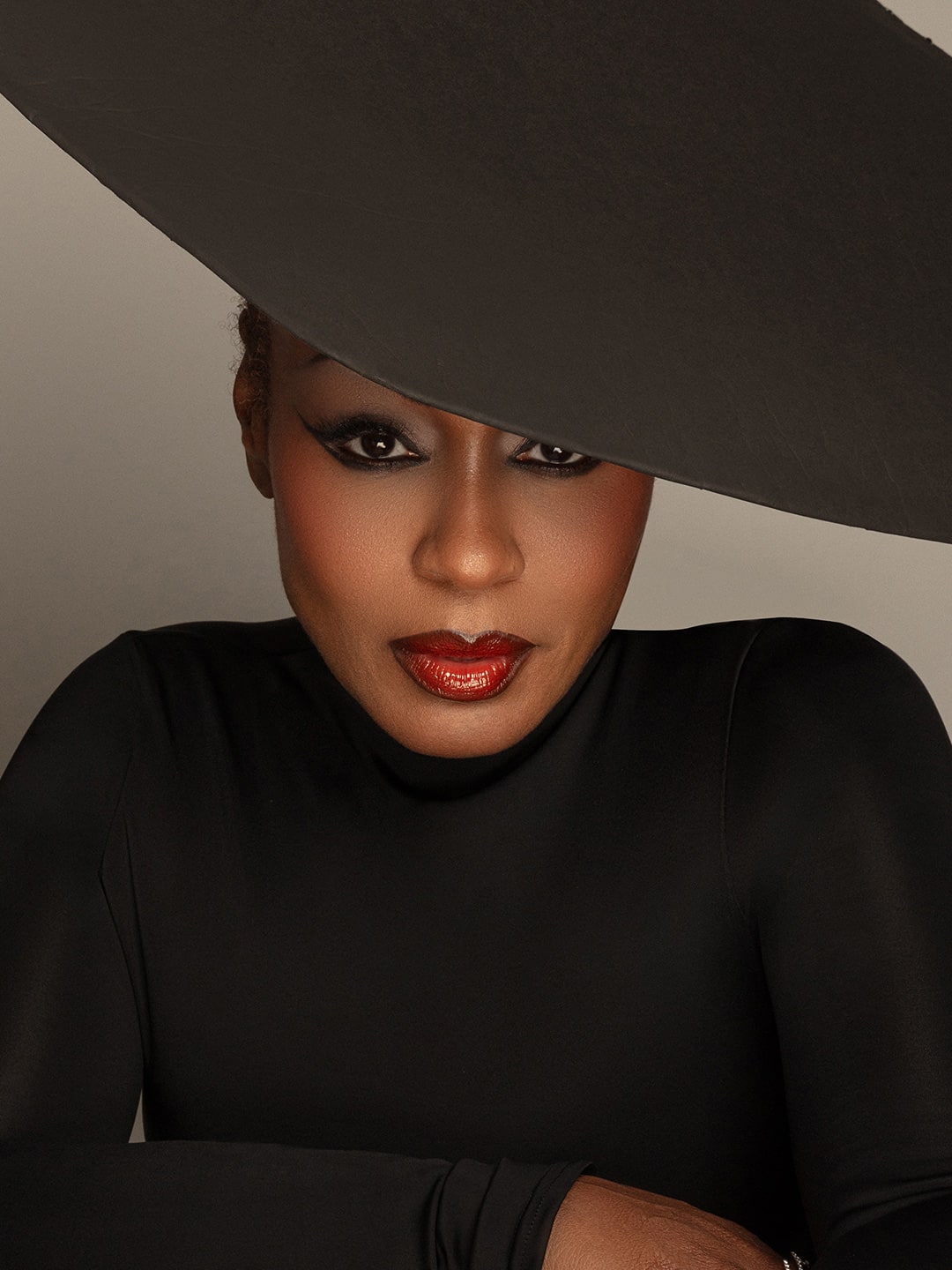
Ultra Naté spent the night before we spoke picking out the perfect outfit for White Party Las Vegas.
She and her personal assistant had been going back and forth over it, which is not a small question when the dress code is part of the premise of the party.
On Sunday, September 6, Ultra Naté performs at the pool party and tea dance at White Party Las Vegas.
She's booked Saturday and Sunday, and that appears to be an ordinary week for her. "Every day is crazy," she said.
I asked how she sustains it.
"This isn't anything new for me. People think that because 'Movin' to the Sun' is such a global hit in this very moment that all of a sudden there's so much more going on. But I've always got a whole laundry list of things to do, even before this happened."
"Movin' to the Sun," her collaboration with HUGEL and Imael Angel, came out on May 22 and opens HUGEL's debut album, Twenty One. In August it went to number one on Billboard's Dance Airplay chart, the first time she has topped it.
"My busyness is just kind of a constant state of being. So you really develop a bit of endurance and conditioning for it."
I said a schedule like that could crumble somebody, and asked where her drive comes from.
"There's no one magic remedy or pill or system," she said. "It is a system, actually. It's building a system around yourself consistently that you found over the years of practice, tried and true, of what works for you."
Some of it she puts down to temperament. "I think I was blessed with the patience of Job to some degree of being able to micromanage all these balls in the air at one time."
Not everyone works that way, as she points out. "Some people have that skill set to be nimble ... others, they have a more fixed personality. I was just blessed to have a more mutable personality."
The rest is maintenance, and she is precise about it. "I know what my needs are as far as my food. I know what my needs are as far as fitness goes. I know what my needs are as far as supplementation."
And people. She describes building the systems, then building the people in place. "There's definitely the teams behind the scenes that make all the minutiae come together."
The fitness is not a hobby arranged around the work. She describes it as the thing holding the rest of it up.
"It keeps you really from crashing and burning," she said. "For me anyway, I found that my fitness regimen is really my lifeline."
She lifts. "I love to hit the weights. I'm a gym rat." The point is not the body. "Building your body also builds your stamina mentally, emotionally, spiritually and physically."
It is also how she lets off steam. "If I find that I've got anxiety going on, pressure, or a lot of things ruminating, I'm like, I gotta get to the gym."
I apologized for turning up to our video call in an old gym shirt, having not anticipated being on camera. "Me too," she said, pointing to the fitness shirt she had on.
Then she named the thing she credits most.
"I dance, I love to dance. I'm still a club kid. I think that's been the secret sauce."
She called her endurance "part of your survival skills," and survival turns out to be the through-line of everything else she told me, from the weights to the record deals.
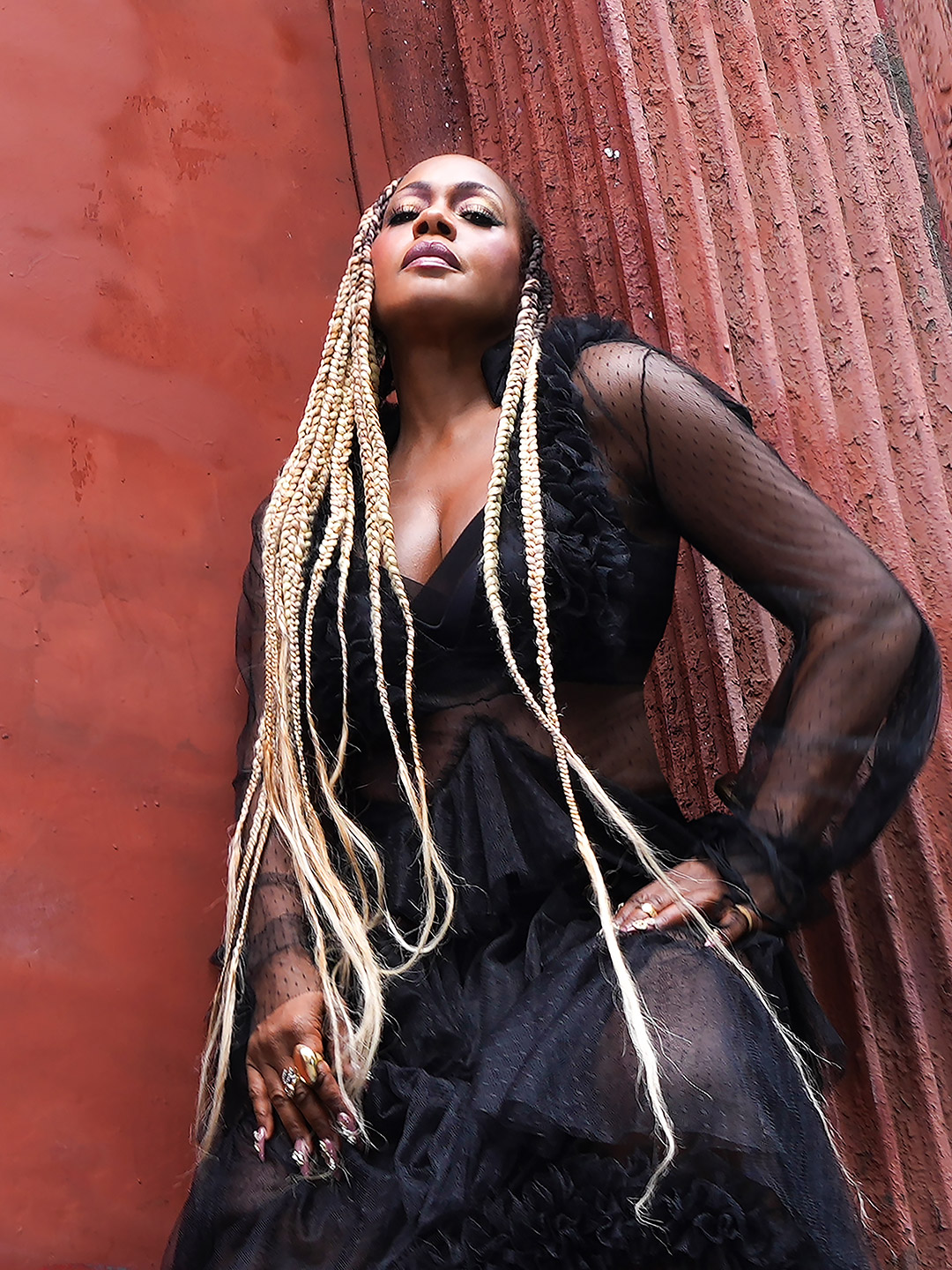
White Party is not a new room for her.
"[The White Party] crowd is so loving and welcoming and ready for a good time," she said. "It's really about the brand of fun and hanging out and togetherness and music and just appreciating the culture of White Party."
She has known this crowd a long time. Her first single came out in 1989, eight years before the record that would follow her into every room since.
"[White Party is] with people that have been a part of my career, a lot of them since the beginning of my journey. And that's 1989, if we want to get really, really technical about it, long before 'Free' came into being."
"It was a lot of my LGBTQ community that were the foundations and the spaces that my career was built."
What she likes now is the mix. "I love to be able to get to connect with the younger folks that are coming into the White Party scene. It's a really great mixture of generations of vibes."
Everything about Sunday was settled except what to wear.
"Those are great problems to have," she said with a laugh. "What am I gonna wear at White Party in Vegas this weekend? Whose life is this?"
I said I had the same problem, that everything I tried on made me look like, as I put it, a flop.
Ultra reassured me: "I have every bit of faith in you."
"Free" turns 30 years old in March 2027. I asked what she makes of that.
"Gagging, gagging," she said with a laugh. "I'm still gagging at the reality. I'm still processing it. I don't know where that time went."
"There hasn't been a show that I've done since the day that song came out that it hasn't been part of my story."
Ultra has made 10 albums across three and a half decades, and other records of hers have come close to that kind of success. None of them did what "Free" did.
"It's pretty amazing to have a record like that that means so much to so many people around the world, to impact people's lives in that way, to have a song that people have made their mantra, their fight song, their song of empowerment, their song of joy."
I told her part of why it has lasted is what it means to grow up feeling you cannot be free to be yourself, and that I had assumed a song like that just came pouring out of her.
"Absolutely," she said. Then she gave credit where credit is due.
"It was a big team effort."
"That song was a particular moment in time when I had been dropped from Warner Brothers. So I was no longer on my major label deal. I was going into a deal with a small independent label. There were a lot of things happening in my career ... that could have been the end of my career. That could have been the end of my journey."
They decided it would not be. "We were really at a crossroads of, are we going to continue? Am I going to take what I've done and build on that and see where it goes. And that's what we decided to do."
The first thing they wrote in that moment was "Free."
She made it the old fashioned way. "There was no one micromanaging us. We just went in and wrote the record that we wanted." A room full of people, all of them working on the same pot: songwriters, producers, a backing vocalist, a vocal producer, an engineer.
"Everybody was in the soup to create the best record that they could that we liked, because we had no idea the world would like it."
The hit she has right now was made in almost exactly the opposite way.
"HUGEL was wherever he was in the world and sent me a WhatsApp and was like, hey, where are you right now?" She happened to be home for a couple of days. He had a track, a new label and an album due a few months later, and she recounts how he put it to her. "[HUGEL said] I need it immediately. If you like it and you want to do it, I need it immediately. I want to put it out in two weeks."
She listened the next day and got straight to it. "I recorded myself singing along. I'm like, okay, yeah, I feel this." She cut the vocal in her own studio at home.
"And literally two weeks later, it's out in the world. And they just release it digitally ... There's no big marketing campaign. There's no big DJ promo to start building it in places first or nothing. So completely different animal."
She is not sentimental about which way is better.
"The thing about art is that it's gonna find a way. It's gonna find a way, like water, it's gonna find its way."
"There can be obstacles, but it's going to find a way to move forward."
She continued: "I still prefer to get in a room with people, vibe with energy, but I also recognize the value of sometimes you just get on with it with what means you have and be creative and trust the process. I always fall back on trust the process."
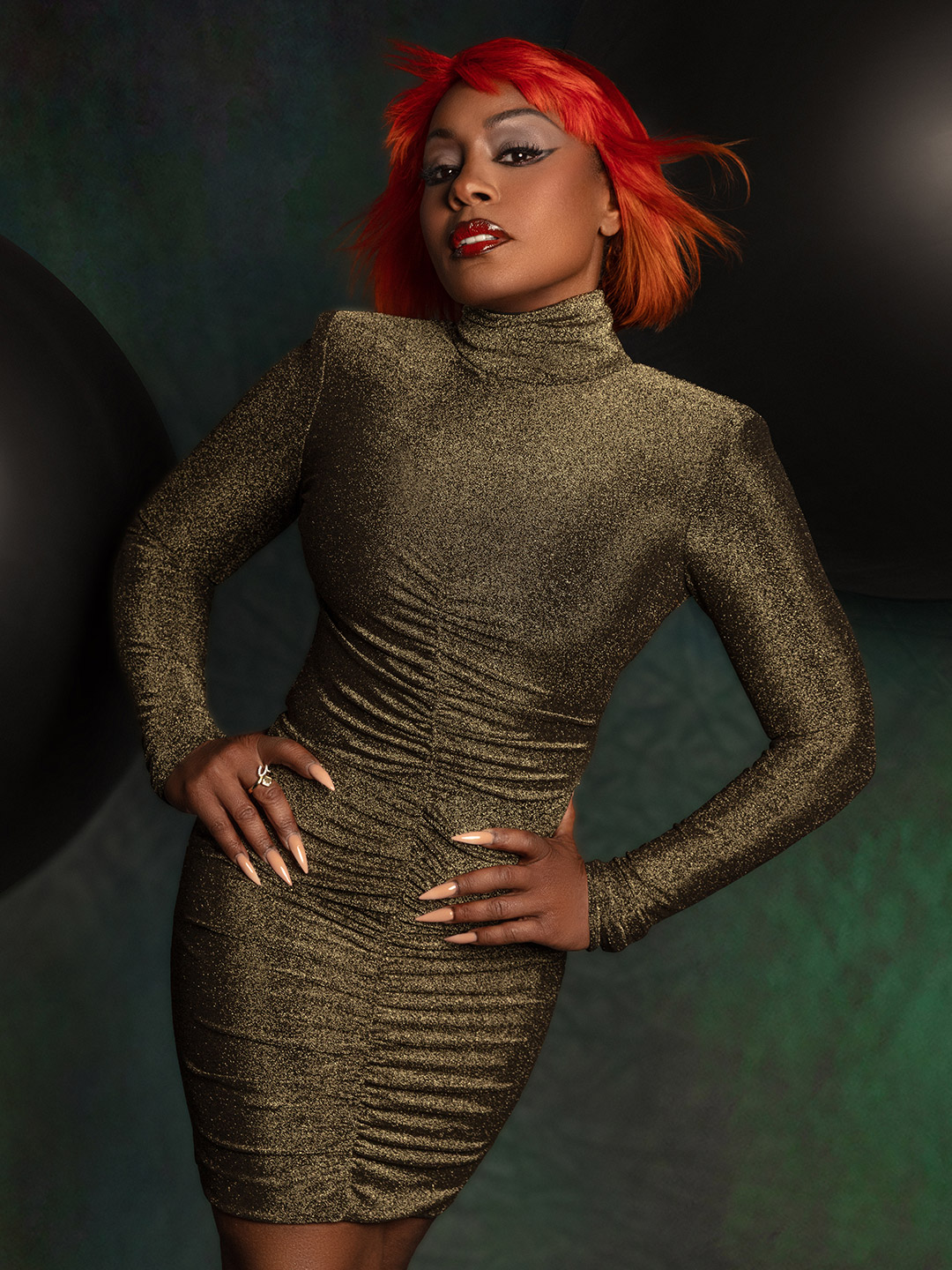
Between those two records is every version of the music business she has outlived.
"I have seen every angle of this game that you can think of, from major label success to being dropped from a major label and having no deal, from independent label massive success to that label disappearing and going out of business, selling off everything to a major and then having no deal once again."
The last thing I asked was what success looks like now.
"Success to me is impacting people's lives in a way that there is love and respect for what you do, where people value what you're putting out in your art, where your voice matters, where you can affect culture positively."
She measures it in decades. "30 years down the road, 40, 50 years down the road, or even long after you're gone, that this music is still going to be living and still bring something to someone's existence. That's true power, that's true success."
Then she threw out the scoreboard.
"It's not about you have a hit record at this moment and at that moment and at that moment on the stats. It's everything that happened in between those moments that allowed you to get to that next moment where you have that hit in the stats. That's the true measure of success."
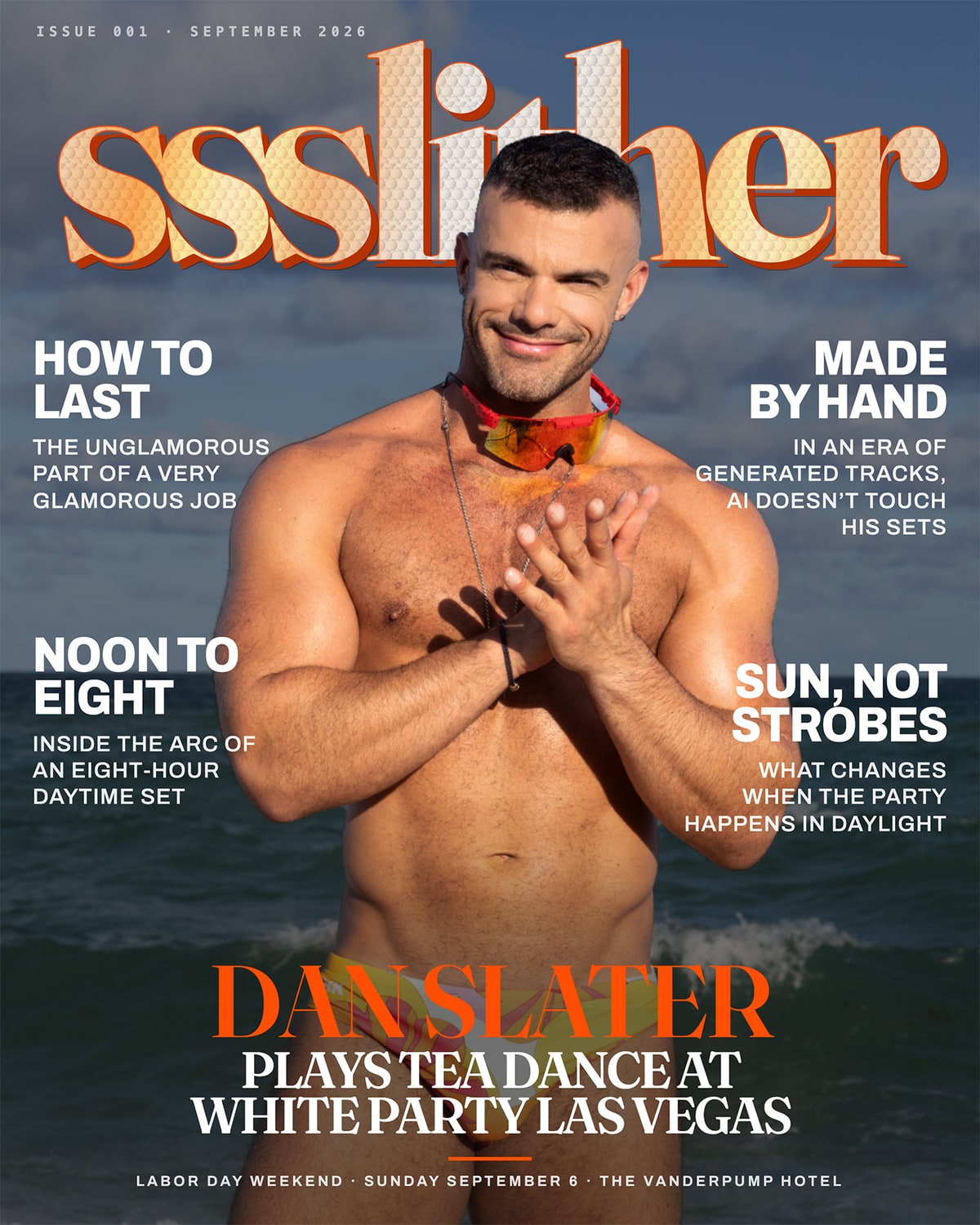
On Sunday, September 6, Ultra Naté performs at the pool party and tea dance at White Party Las Vegas, noon to eight at the Vanderpump Hotel.
"I love Vegas," she said. "It's a great vibe. It's a great city. I'm really looking forward to it."
0 comments
Be the first to comment.